Heat-number traceability
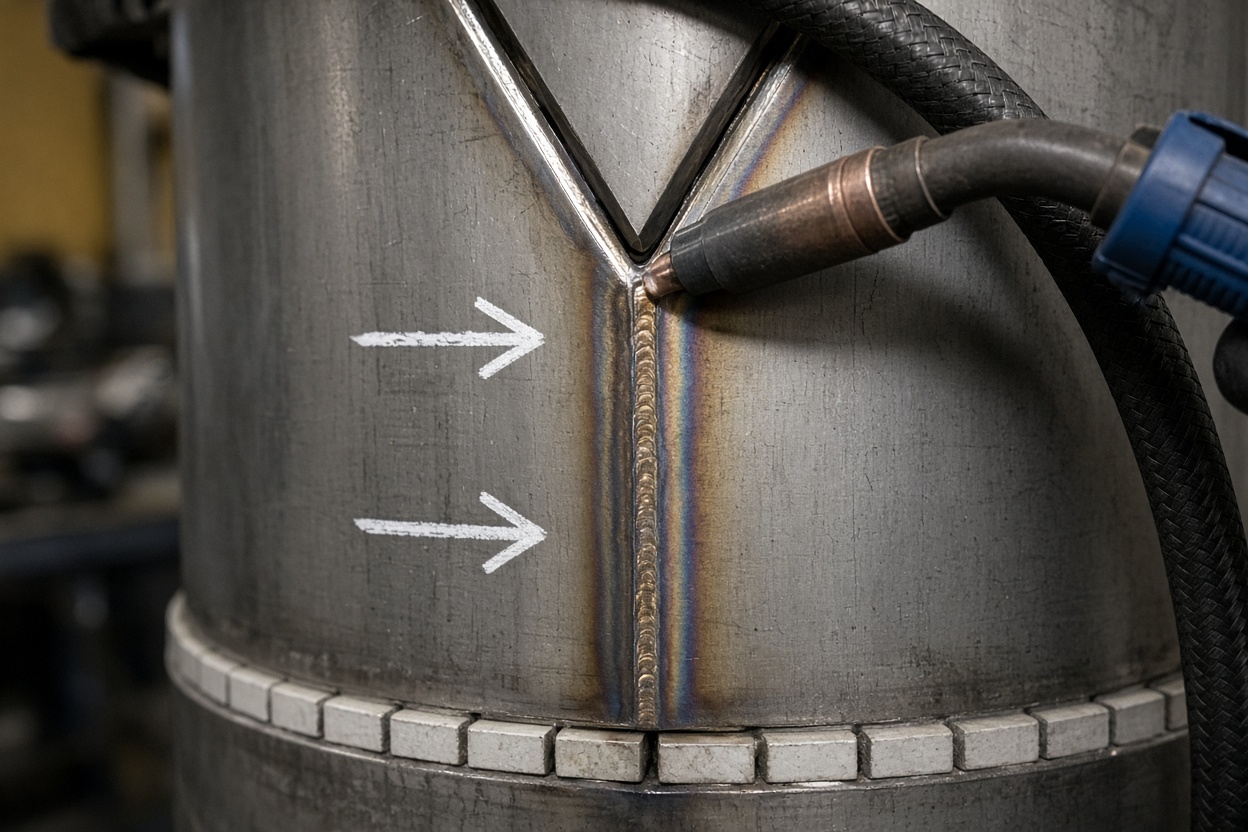
MTO versus stores versus EN 10204 3.1 / 3.2 mill certs versus PMI versus the stamped heat on the flange. One lineage. A 3.1 that does not match the heat on the nozzle is a stop, not a filing job for Friday.
Process equipment OEMs · oleochemical duty
Documented information that follows fabricated process kit: equipment datasheets, weld maps, ITP hold points, EN 10204 3.1 certs, FAT/SAT protocols, redlines and as-builts. The EDMS, ERP and QMS stay. Connecting them is the work. A person still signs the drawing, the WPS and the mill cert.

MTO versus stores versus EN 10204 3.1 / 3.2 mill certs versus PMI versus the stamped heat on the flange. One lineage. A 3.1 that does not match the heat on the nozzle is a stop, not a filing job for Friday.
Inquiry, FEED, detailed design, HAZOP close-out, fabricate, ITP hold points, FAT, punchlist, ship, SAT. Engineering, purchasing and QA stop holding three different “current” dates in email.
Quotes, variations, progress claims, letters of credit. Drawdown waits on CoC, packing list and signed ITP pages. Completeness is checked against the controlled set before the claim leaves.
ASME VIII / PED, MOC, corrosion allowance, nozzle schedule. A wall-thickness change on the tower hits the P&ID, the datasheet, the MTO, the WPS and the FAT protocol together.
Documented information: master list, current revision, obsolete copies withdrawn from the shop, training matrix, calibration recall, CAPA. This page does not claim a certificate.
Who may view, markup or approve a drawing, a 3.1 cert or a client-witness folder. Transmittals logged. Leavers dropped from the vault.
Worked example · oleochemical line
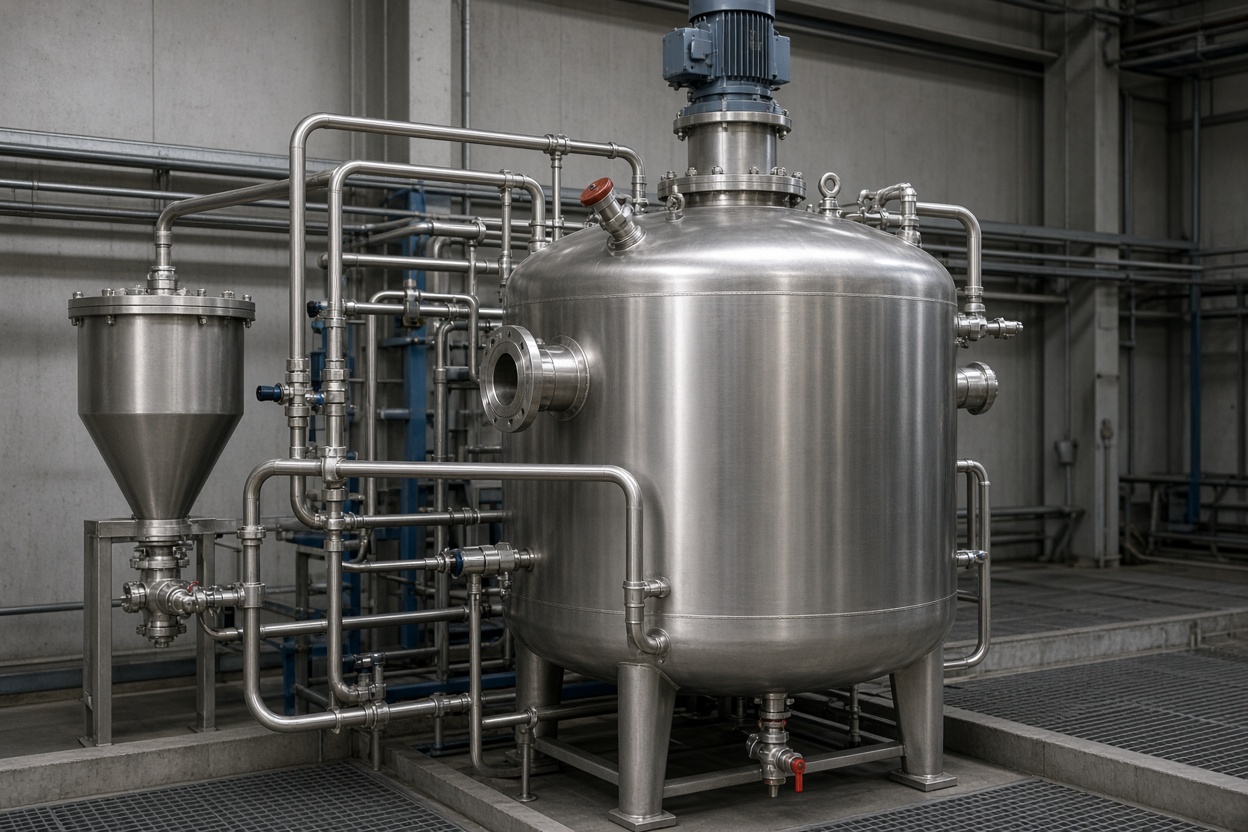
An oleochemical train turns fats and oils into fatty acids, glycerine and esters. The manufacturer does not sell the chemistry. It sells process design and the fabricated duty: splitter columns, vacuum stills, hydrogenation autoclaves, multiple-effect evaporators, skids and MCC/PLC panels. Fatty acids attack carbon steel; MOC is typically 316L, 316Ti or a nickel alloy (C276, C22) with a stated corrosion allowance. One change to tower diameter ripples through the P&ID, the datasheet, the MTO, the purchase order, the ITP and the FAT protocol.

Colgate–Emery continuous hydrolysis: high-pressure steam, typically around 50 bar, splits triglycerides to crude fatty acids and sweetwater (dilute glycerol). The OEM supplies the splitter column, high-pressure heaters, let-down and the instrumented P&ID around them.
Crude fatty acids distilled under vacuum in packed or trayed columns. C8–C18 cuts to an iodine-value / acid-value spec. Deliverable is the still, internals, vacuum skid, overhead condenser and the datasheets that close the heat and material balance.
Batch autoclave, nickel or precious-metal catalyst, hydrogen loop, rupture disc, jacket. Iodine-value drop on a selected cut. Vessel calculations, WPS/PQR, weld maps and the ITP travel with the reactor.
Multiple-effect evaporation of sweetwater, then distillation and ion-exchange or bleach to technical or USP grade. Evaporators, stills and polishers each carry mill certs, hydrotest records and an IOM pack.
FAME or specialty esters, methanol recovery. Each skid still needs a P&ID, an MTO, a FAT protocol and a two-year recommended-spares list.
The CAD vault, the ERP, the QMS and the inbox stay. Replacing them is not the offer. A responsible engineer still signs the datasheet; QA still stamps the ITP.
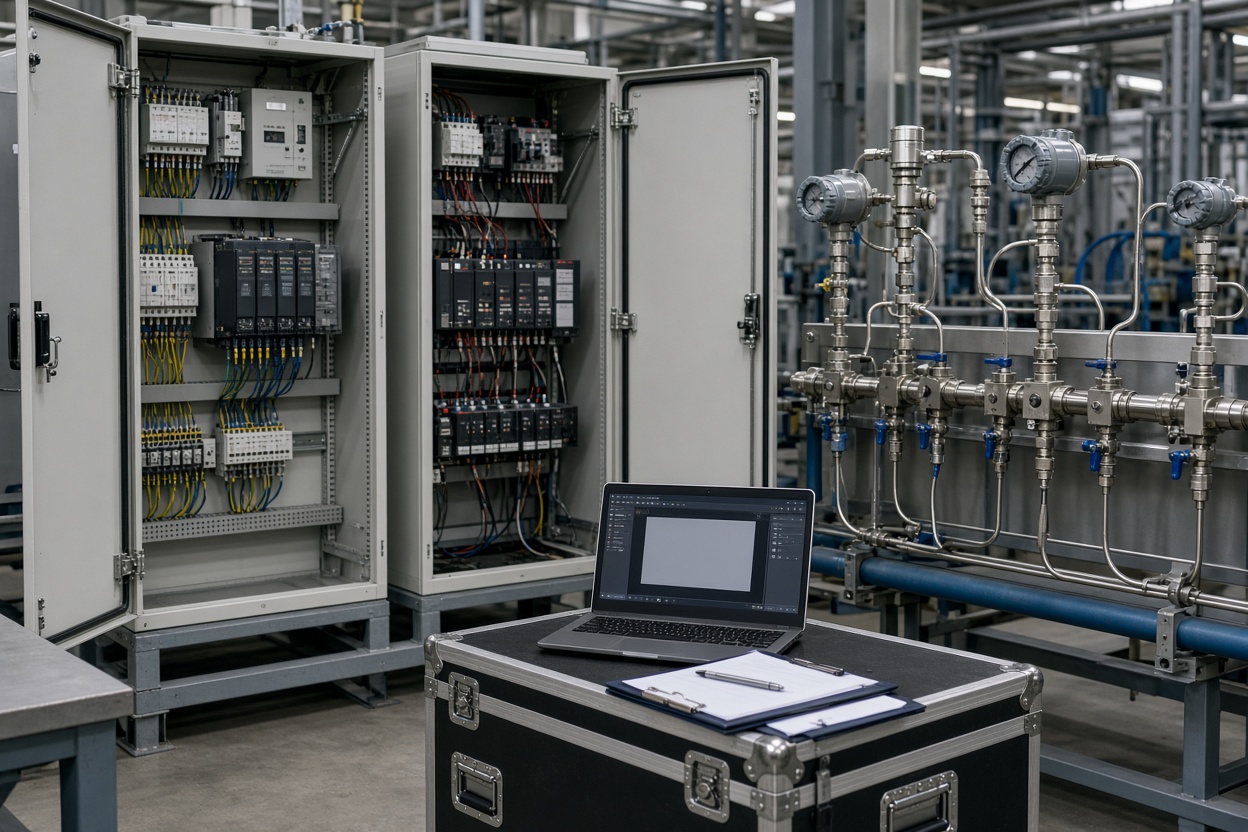
Rev C in the EDMS, Rev B welded on the floor, development docs released after cut. The system builds a living master list (document, revision, owner, next review) and flags an obsolete copy still in use.
Client spec says C276, 6 mm wall, 3 mm corrosion allowance. Purchasing still orders 316L. The 3.1 arrives as a scan. The system extracts the requirement, matches heat number to MTO line, and raises the mismatch before plate is cut.
Engineering thinks E-1203 is at 80%. Stores has no packing. QA has an open NDT hold. The system reads the vault, purchasing, the ITP and the inbox, then reports the actual blocker.
A progress claim needs signed hold-point pages. An LC needs the commercial invoice to match the packing list and the CoC. The system assembles the claim pack from the controlled set and drafts the variation when the approved change order exists.
Training matrix in Excel, calibration stickers versus the register, CAPA in a Word folder. The system maps records to the clause, warns before a gauge or a welder qualification expires, and produces the evidence pack from the same store the shop already uses.
New starters cannot find the current P&ID. A contractor sees every client’s FAT photos. Role-based views over the same store, with a log of who opened or approved what.
Name the EDMS, the MTO, the 3.1 pack, the ITP and the transmittal loop that repeat on every job.
Agree the smallest workflow, which registers it may write, and who signs a drawing, a WPS or a mill cert.
Build it against real datasheets, weld maps and 3.1 scans, with the people who chase hold points today.
Adjust it after FAT. Extend it only once it has earned that trust.
Usually not. Most of the work connects the CAD vault, the MTO, the QMS and the inbox the firm already pays for. Replacing the ERP, the CAD system or the quality manual is not the offer.
Least-privilege on the vault, a person in the loop for approvals (datasheet, WPS, mill cert), and a written data-flow. This page does not claim a certification.
There is no public price list. Describe the loop in the form and we reply with whether we can take it on. This page does not quote a fee.
Scope, risks and owners are agreed before a build. The first system stays small until it proves itself at FAT. This page does not promise a number of days.
No. The work is documented information around the kit: P&IDs, MTO, EN 10204 3.1, ITP hold points, MDR. A responsible engineer still signs the drawing and the cert.
Name the MDR, the ITP hold points or the transmittal loop you want off the team’s plate.